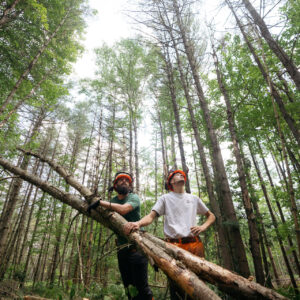
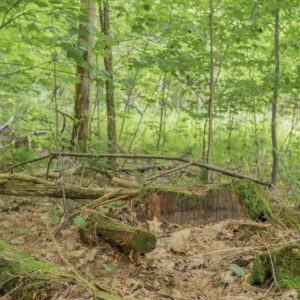
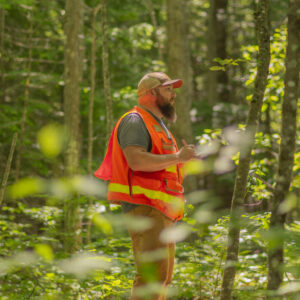
At a time when our forests are more important than ever, the U.S. Department of Agriculture has released a U.S. Forest Service Reorganization Plan that authorizes the near elimination of place-based forest research that is the basis for sound forest management and increases the distance between the agency and practitioners.
As our understanding of forest ecosystems has deepened – and the pressures and demands on them have increased – foresters have recognized the need to go further. Today, foresters incorporate carbon uptake and storage, climate resilience, a greater focus on biodiversity, and other critical concerns in forest management.
Let’s not fall prey to calls for blanket “hands off” management that cherry-pick science and ignore the much broader consensus that forest management can in fact support the underlying ecological conditions and complexity that ensures public and private forests are healthier and stronger for future generations.
USDA agencies are crucial partners in active and locally relevant stewardship of public and private forests to maintain the many benefits nature provides, and in supporting thriving rural economies and resilient lands. Maintaining these essential benefits depends on a well-resourced, experienced, and locally rooted USDA. Any reorganization should strengthen – not weaken – these capacities.
All USFS programs focused on state, private, and tribal forestry; forest research; and wildfire management are slated for deep reductions or complete elimination in the president’s FY26 budget proposal. These cuts will severely impact the state forest agencies that assist private forest landowners responsible for managing millions of acres of forest.
The Northern Border Regional Commission, a highly effective entity, is slated for elimination in the President’s budget. Over the past 15 years, the Commission has delivered $335 million into 720 critical local economic development projects.