
Part of the historic business core of the hamlet of Chestertown, NY.
Chestertown, N.Y., is Celebrating its New Designation as a Historic District
The hamlet of Chestertown, N.Y. is celebrating its new designation as a Historic District by the state of New York and looking forward to tapping into new sources of funding for historic renovation of community buildings.
“Vibrant downtowns are critical to creating communities where people want to make a life,” said Adam Bailey, the Center’s Adirondack program manager. “The designation as a historic district acknowledges that Chestertown can be an attractive, walkable downtown and – of great value to the community – it creates access to new types of investment.”
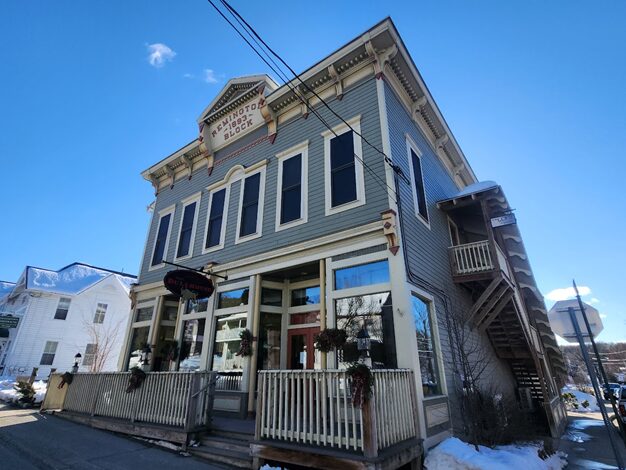
In 2024, the Center secured a grant from the Preservation League of New York State that helped the Historical Society hire a professional to document the hamlet’s historic assets and apply for the designation.
“The historic district encompasses the downtown and surrounding homes,” said Bailey. “Preparing a nomination of this size is a huge undertaking”
Historical Documentation Key to Success
To prepare, consultant Andrew Roblee conducted a survey of the 198 structures in the proposed district, using previous research from the Historic Society and noting the unique history and physical description of each building. He determined that 148 buildings retained enough historic integrity to contribute to the area’s designation as a historic district. To complete the application to the National Park Service for the designation, Roblee had to write a a cohesive story about Chestertown’s history that encompassed all the properties and their 150-year timeframe.
Not all buildings could make the cut. “What about the bank?” asked one community member, referencing the Tudor-style building in the center of town. The old and iconic building once hosted a department store and a gas station. But because the building had been heavily modified, including tearing down a third of it to make room for a drive-thru and removing its dormers, it could not qualify as contributing to the historic district.
Designation Opens Doors to Funding for Renovation
As in many older communities, Chestertown has buildings that need extra attention to survive another century. Peeling paint, crooked porches, decaying roofs, dated electrical and plumbing systems need attention. Fixing these problems improves not only the specific property, it also boosts the appeal and property values of the entire community. Any properties determined to contribute to the district’s historic importance will also be included on the state and national historic registers and become eligible for public and private programs that can help with repairs and renovations.
Those buildings now designated as historic will have access to several new sources of money to support repairs. For private residences, this is mainly in the form of tax credits that essentially reimburse owners for a portion of the cost of the work on the property.
Historic Tax Credits Are Key for Commercial Properties
For commercial properties, the largest program is the historic tax credit program that can, in New York, cover up to 50% of the cost to rehabilitate or restore a building. The Center has used historic tax credits to help fund renovation of two housing developments – the recently completed Gehring House in Bethel, Maine, and the ongoing Hale House project in Elizabethtown, New York. Both projects demonstrate the kind of high-quality housing redevelopment that is financially possible only with tax credits and philanthropic support.
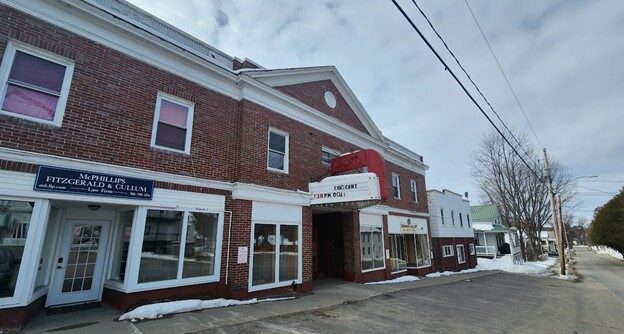
Myriad grants exist for historic properties too, especially those owned by non-profits and religious organizations. Ryan Hutton, owner of the Carole Theater in downtown Chestertown, is eager to use those grants to improve the theater, which includes multiple apartments in addition to the performance space. “We are looking forward to using grants to winterize and modernize this long-time gathering space that means so much to residents and visitors,” said Hutton. At the community meeting in August, a local representative of one of the churches expressed interest in tapping into new grant sources to make much-needed repairs to their historic stone building.
In the next few months, the National Park Service will decide final approval of the historic district. Though the agency may make minor changes to the details of the nomination, it is expected to endorse the designation.
“There is so much energy around historic restoration now in Chestertown that people in neighboring Pottersville, the other major hamlet in the Town, are expressing interest in earning historic designation too,” said Bailey. “Communities see the opportunities that come with setting up a historic district, and they’re eager to take advantage of the program.”