Embracing Ecological Forestry: A New Approach to Forest Management
Part four of “The Forest Advocate” series
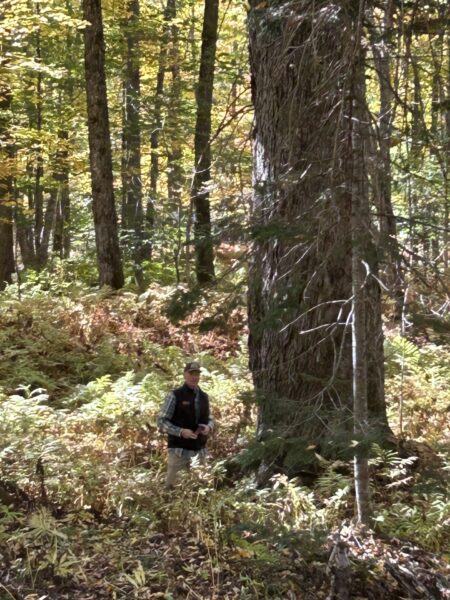 Over the past few months, I’ve had the opportunity to walk in the forest with ecologists, recreationists, conservationists, foresters, casual observers, and more. The commonality among them all is that they love the forest!
My recent time in the trees – in Vermont’s Northeast Kingdom and in the heart of the Maine’s North Woods – illustrated the resilience of the forest and also an onslaught of threats that are devastating to contemplate. The multiple impacts of climate change – extreme weather, invasive pests and pathogens, changing seasonal patterns — are increasingly evident on the landscape and are impacting biodiversity and forest health.
As I sit with this unpleasant reality, I’m also encouraged that we have the tools we need to address these threats, if we are open to conversation and trying new (and some old) approaches to forest management.
Enter ecological forestry – some just say forestry, others use various aspirational modifiers – is an approach that builds on the best forest science while overlaying a new emphasis on resilience and complexity to encourage the diversity of age class and type of native trees and plants.