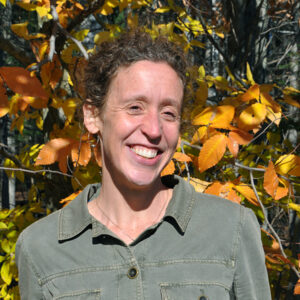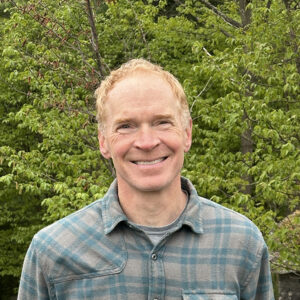
Northern Forest Center staff
Adding Capacity Helps Communities Thrive
Why We Believe in Bringing Capacity
The Northern Forest Center team has the privilege of working with scores of rural community leaders across northern New England and New York. We see their talent, commitment, and passion for their places and for making them better. We also see how many of these leaders struggle to do a lot with not enough, are faced with constrained local budgets, and a limited pool of residents stepping up to fill all the demands for volunteer labor. Overwork and resource limitation are all too common.
This dynamic is commonly discussed in community economic development circles, and “capacity building” is often held up as the answer. The notion of capacity building is akin to the adage, “Give someone a fish, and they’ll eat for a day; teach them to fish and they’ll eat for a lifetime.”
But the reality is that most local leaders don’t need a lesson, they just need a hand. The daily demands of running a rural community are enough to slow progress on new initiatives, and crises like this summer’s floods in Vermont can bring headway to a halt. Skills training and personal development are valuable, but if the primary obstacles are limited time and money – not inherent ability to do or learn the work – people don’t necessarily need their capacity built, they just need more of it. Sometimes what’s needed most is an extra person, or more easily accessible funding, or someone new to take the reins on a stalled project. In the context of community building, bringing capacity can be enormously impactful.
That’s why we embrace the importance of bringing capacity to communities – with an emphasis on how we’re doing it. We’re asking questions, listening first and acting second, in coordination with local stakeholders, grounded and guided by their expertise.
Our team members, many of whom live in or near the towns they serve, supplement the work of local government and committees. We write applications for public funding on behalf of towns and assist them in regular grant reporting, having developed these specialized skills through years of practice. We coordinate long-desired local projects. After securing larger grants, we make sub-awards to communities and smaller organizations, offering them much easier application processes, shorter turnaround times, and support with reporting and accounting. And we share stories and information among communities, providing inspiration and new ideas that may spark new initiative or enthusiasm.
The Center also has been fortunate to secure grants for our staff to work in and on behalf of specific communities, and in our experience, the help has been received with tremendous gratitude and even relief. Yet, we sense a quiet bias against the idea of “helping” – as though it’s somehow lesser, in our individualistic culture, than attempting to build others’ independence.
We would like to see increased attention by public agencies and foundations to the inherent value of bringing capacity, and more funding specifically for skilled third parties to assist communities with projects or endeavors they otherwise wouldn’t likely be able to undertake. We’ve seen that the relationships that emerge when everyone brings their skills, perspective, and background to the table can deliver truly remarkable results.
Capacity-building absolutely has its place, and it’s an important tool we’ve used over the years. We’ve led convenings that connect people to new ideas, resources, and networks. We’ve produced tools and resources that help inform decisions; we’ve raised funds specifically to help recipient organizations build their staff and programming.
We intentionally create programs that others can learn from and adopt as their own. We recognize that everyone can benefit from learning and growth, and we are proud to provide resources to support this learning. We find that bringing capacity is an excellent complement to building capacity.
Working alongside community leaders, we have gained an even deeper appreciation for the resourcefulness, endurance, and creativity they bring to the challenging work of running and improving a town. It’s with humility and admiration that we show up with all the capacity (and fish!) we can offer.
For more about how bringing capacity can help communities, check out these short case studies about our work in Newport, VT, and Elizabethtown and Chester, NY.
- Community Case Study: Newport, VT
- Community Case Study: Elizabethtown, NY
- Community Case Study: Chester, NY
This was produced with support from USDA Rural Development.
Maura Adams is Community Investment director and Rob Riley is president of the Northern Forest Center.